
Bell Notes 🛎️ 📝

Immerse yourself in the hyper creative mind of Kim Bell. Discover our impressive collection and experience the magic of digital art.
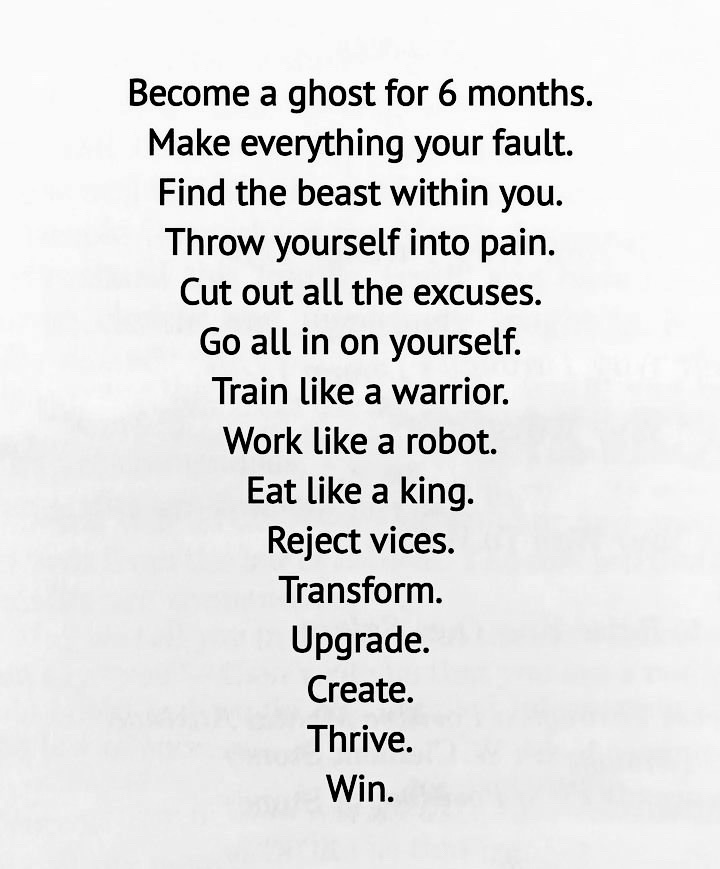
The Solitude Solution: How Being Alone Can Unlock Your Artistic Potential
In a world where connection is currency and distraction is ever-present, solitude is often misunderstood. To many, being alone evokes loneliness or isolation, but to artists, solitude can be a crucible—a necessary space to refine, strengthen, and evolve their craft. The act of creating art demands time, focus, and introspection, all of which thrive in solitude.
As someone who has spent countless hours navigating the realms of creativity, I can attest to this truth: being alone is not just a state of being but a catalyst for transformation. Here’s how solitude can enhance your artistry and propel your creative growth.
Artistic mastery is built on practice—not mere repetition, but intentional, focused practice. When you’re alone, you have the freedom to dive deeply into your craft, free from external judgment or distraction. Alone, there is no need to justify your time, explain your methods, or compromise your process to accommodate others.
The solitude of the studio, the writer’s desk, or the practice room allows you to experiment boldly and fail often. These failures, when experienced privately, become lessons rather than public defeats. Over time, these moments of quiet effort accumulate into something extraordinary.
Harvard psychologist Anders Ericsson coined the term “deliberate practice” to describe the focused, purposeful effort required to achieve expertise. Being alone allows you to enter this state of deliberate practice, where you can push your boundaries, analyze your weaknesses, and build new strengths. In solitude, every brushstroke, note, or line of prose becomes a step toward mastery.
Art, at its core, is an expression of the self. To create authentically, you must understand your emotions, experiences, and perspectives. Solitude is the ideal environment for this kind of introspection.
When you are alone, you can confront your inner world without distraction. These moments of self-reflection often lead to the discovery of new ideas, themes, and styles. You begin to ask the essential questions: What do I want to say? What moves me? What do I fear?
Virginia Woolf, a pioneer in modernist literature, famously wrote about the necessity of “a room of one’s own.” While her call for solitude stemmed from a broader argument about women’s access to creative opportunities, her insight applies universally. A quiet space, both literal and metaphorical, allows you to hear your inner voice—a voice often drowned out by the noise of daily life.
Art thrives in experimentation. Solitude grants you the freedom to try new techniques, styles, or approaches without fear of judgment. The absence of an audience liberates you to take creative risks, to make mistakes, and to learn from them.
Think of solitude as a laboratory. In this space, you are the scientist, testing hypotheses and observing results. Maybe you combine unexpected colors on a canvas, try a new poetic form, or blend musical genres. Alone, there is no pressure to conform, only the joy of discovery.
Consider the work of Vincent van Gogh. In his letters, he often described the solitude of his artistic process. Though plagued by personal struggles, he used his time alone to refine his craft, producing hundreds of works that would later revolutionize modern art. His story reminds us that solitude, while challenging, is often the birthplace of innovation.
Distraction is the enemy of creativity. Social media, emails, and endless notifications fragment our attention, making it nearly impossible to enter the flow state where great work happens. Solitude removes these distractions, creating a mental environment where you can focus fully on your art.
When you are alone, you learn to rely on your own discipline. There is no one to prod you into action or hold you accountable, which forces you to develop intrinsic motivation. Over time, this self-discipline becomes a skill as valuable as your artistic talent.
The acclaimed pianist Glenn Gould famously chose solitude, even withdrawing from public performances to focus solely on his recordings. His choice to isolate himself allowed him to channel his energy entirely into his craft, producing some of the most celebrated interpretations of classical music.
Paradoxically, being alone can make you feel more connected—not to people, but to the artistic lineage you’re a part of. When you work in solitude, you can engage deeply with the works of those who came before you.
Read the journals of Frida Kahlo, study the compositions of Bach, or analyze the novels of James Baldwin. In solitude, you’re free to absorb their wisdom, allowing their influence to shape and inspire your own work. This connection to a broader creative tradition can provide a sense of purpose and belonging, even in your most solitary moments.
Being alone isn’t always easy. It requires you to confront yourself, to grapple with your fears and insecurities. But within this solitude lies an extraordinary opportunity: the chance to grow as an artist and as a person.
The next time you find yourself alone, don’t fill the silence with distractions. Instead, embrace it. Pick up your brush, your pen, your instrument. Dive into the stillness and see where it takes you.
In the words of Rainer Maria Rilke, “Solitude is a place of purification.” When you embrace solitude, you don’t just create art—you transform yourself into the kind of artist you’ve always aspired to be.
Thanks for reading
In the realm of contemporary art and music, few narratives are as compelling as that of Kim “Beezy” Bell. A multifaceted artist whose creative journey began at the tender age of two, Bell’s experiences with auditory phenomena offer a unique lens through which we can explore the intersection of mental health and artistic expression. This exploration not only enriches our over standing of the creative process but also challenges conventional notions of sanity, inspiration, and the artist’s role in society.
From the very outset of his life, Kim Bell’s existence was marked by an extraordinary inner world. At two years old, he began hearing voices—whispers of creativity urging him to express himself through music and visual art. This phenomenon, often dismissed or pathologized in mainstream discourse, can be reinterpreted as a profound source of inspiration. In many cultures, the act of hearing voices has been associated with divine communication or heightened sensitivity to the world around us. For Bell, these voices became catalysts for a burgeoning artistic identity, shaping his understanding of self and the world.
The relationship between mental health and artistic genius has long fascinated scholars and critics alike. The notion that creative individuals may be more prone to psychological distress has been explored in various studies. Bell’s experience invites us to question the binary classifications of “madness” and “genius.” Rather than viewing his auditory experiences as mere symptoms of a disorder, we might consider them as integral components of his artistic toolkit. They have informed his unique soundscapes and visual motifs, contributing to a body of work that resonates deeply with audiences.
As Bell grew older, he began to harness these voices, transforming them into a distinct artistic language. His music, characterized by an eclectic blend of genres, mirrors the complexity of his inner dialogues. Each composition is imbued with the nuances of his experiences—joy, pain, confusion, and clarity. Bell’s approach challenges the conventional narrative that artists must suffer to create. Instead, he offers a perspective that acknowledges struggle while celebrating resilience and innovation.
Bell’s art serves as a bridge between his internal experiences and the external world. Through vibrant visuals and evocative melodies, he creates a dialogue not only with himself but also with his audience. His work invites viewers and listeners to confront their own perceptions of sanity and creativity. By publicly sharing his journey, Bell destigmatizes the discourse surrounding mental health, encouraging a broader understanding of the myriad ways individuals navigate their inner worlds.
Kim “Beezy” Bell exemplifies the profound connection between artistic expression and mental health. His journey reminds us that the voices we hear—literal or metaphorical—can guide us toward self-discovery and creativity. As we continue to explore the complexities of the human experience, Bell’s work challenges us to embrace the multifaceted nature of identity and expression. In doing so, we not only celebrate individual artistry but also cultivate a more compassionate and nuanced understanding of mental health in the contemporary landscape.
As we reflect on Bell’s narrative, we must recognize that the intersection of creativity and mental health is not merely a subject for academic inquiry but a vital aspect of our shared humanity. In embracing this complexity, we honor the voices that shape our lives and the art that emerges from them.
Listen to Bells top 8 songs at GWOP University Radio 24/7 online now: https://zeno.fm/radio/gwop-university-radio/


In the ever-evolving landscape of social media, the phenomenon of a post going viral is a captivating spectacle that captivates users and researchers alike. As information disseminates rapidly across online platforms, gathering data on the aftermath of a viral post becomes crucial for understanding the dynamics, impact, and potential implications for individuals and society.
To embark on the journey of data collection, one must first consider the platforms where virality occurs. Social media giants like Facebook, Twitter, Instagram, and TikTok serve as breeding grounds for viral content. Each platform has its unique characteristics, audience demographics, and algorithms, influencing the trajectory of a post’s virality. GWOP Magazine has been going viral weekly on Instagram since I applied the strategy I wrote out at: www.gwopmagazine.com. Here are insights to the reels below:
Continue reading “Unraveling the Viral Web: Gathering Data on Social Media Phenomena”Success is something that everyone desires, but only a few manage to achieve. It is a subjective term, and it means different things to different people. For some, success may mean achieving financial stability, while for others, it may be about finding happiness and fulfillment in life. However, no matter how you define success, there are certain steps that you can take to increase your chances of achieving it. I define success as setting an achievable goal and working towards it consistently. In this blog, I will discuss 15 steps that can help you be successful in whatever you do.
Continue reading “How to be Successful”
 KIM Bell Digital Art Gallery