
♾️
The Singularity is Near the Horizon
For most of modern technological history, the idea of the technological singularity has existed as a speculative horizon—an abstract moment when artificial intelligence surpasses human intelligence and begins to accelerate beyond human control. Once confined to science fiction and theoretical discourse, the singularity has increasingly entered serious academic, economic, and geopolitical conversations. What was once a distant future scenario is now a plausible near-term transformation, and the evidence suggests that humanity is approaching an inflection point that may redefine intelligence, labor, and consciousness itself.
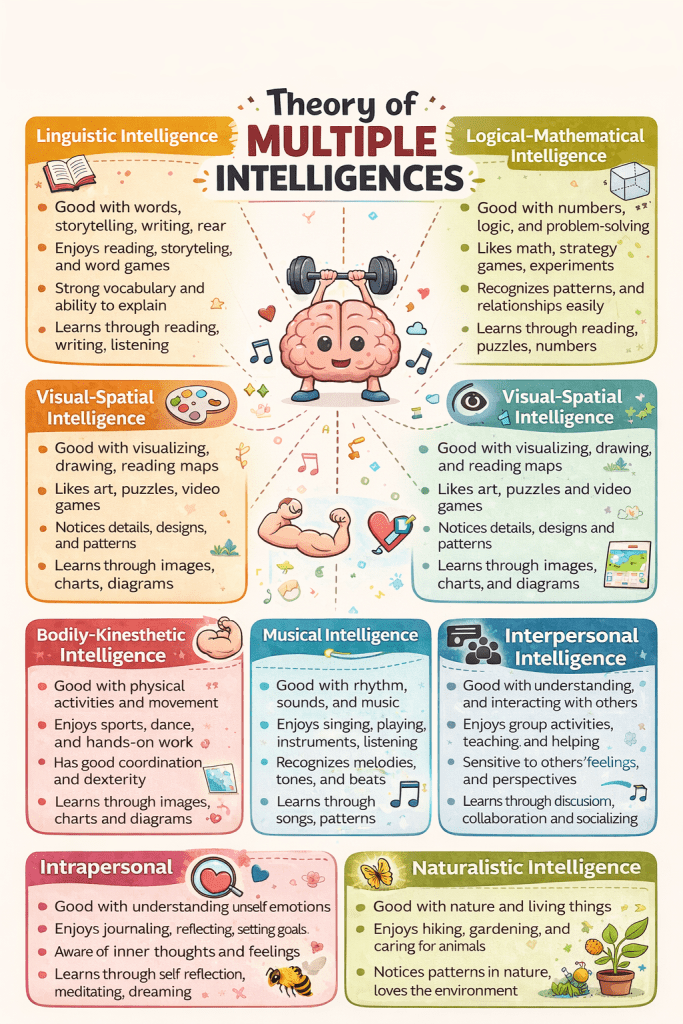
Continue reading “The Singularity is Near the Horizon”Theory of Multiple Intelligence [infographic]
Bell Notes 🔔 📝
Bell Notes 🔔 📝
Bell Notes 🛎️ 📝

Bell Notes 🔔 📝
Bell Notes 🔔 📝

Bell Notes 🔔 📝

Bell Notes 🛎️ 📝

Bell Notes 🛎️ 📝

Bell Notes 🛎️ 📝

Bell Notes 🛎️ 📝

Bell Notes 🛎️ 📝
Bell Notes 🛎️ 📝

“Money Long as 6 Mile” By BEEZY + Cashiesh (2020) ©️

McNichols & Wyoming area (across from Marygrove college) DETROIT USA 🇺🇸
“Wake up & Chase a Dream” on Puritan Ave 🎨🚦 street art by Me ©️
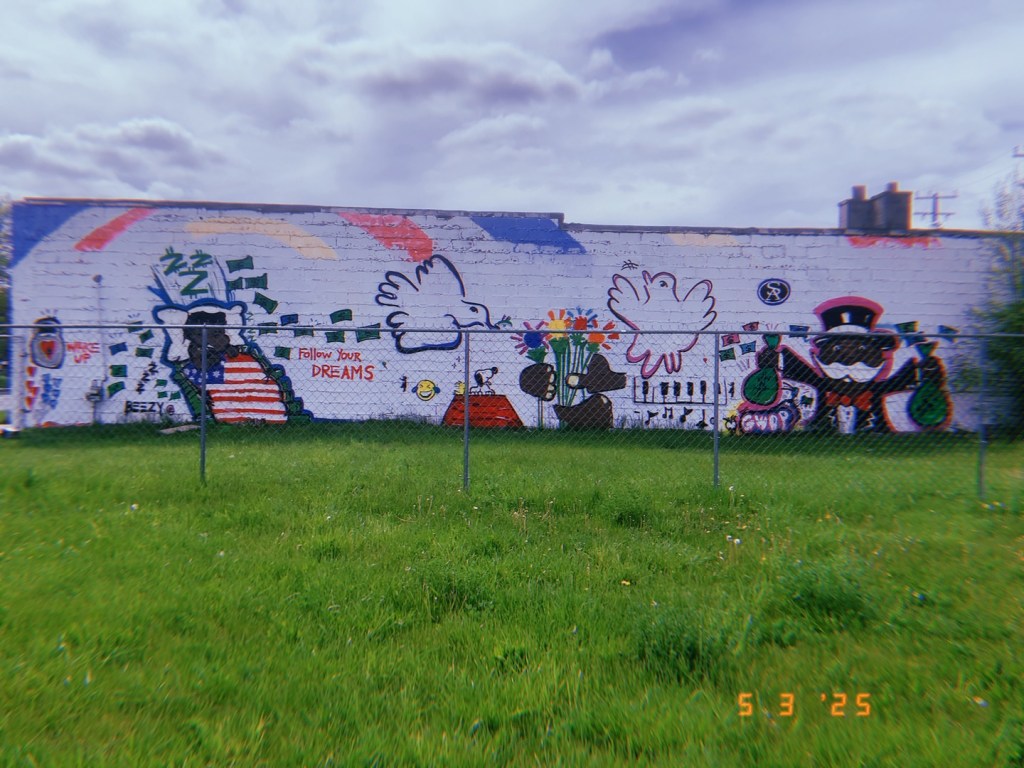


Doves of PEACE + Flowers of PEACE


Bell Notes: Daily Schedule
I asked ChatGPT to create me a daily schedule similar to Bruce Lee + Pablo Picasso + 2pac+ Dr. Sebi + Warren Buffett:
Morning Routine (5:30 AM – 9:00 AM)
• 5:30 AM – Wake Up & Meditation (15 min)
• Deep breathing, visualization, and mindfulness
• 6:00 AM – Bruce Lee-Inspired Workout (Strength & Mobility) (1 hour)
• Jump rope warm-up (10 min)
• Bodyweight exercises: push-ups, sit-ups, squats (3 sets each)
• Weight training: explosive movements (deadlifts, clean & press)
• Stretching & flexibility drills
• 7:00 AM – Breakfast (Dr. Sebi & Bruce Lee Style)
• Smoothie: banana, blueberries, sea moss, hemp seeds, and coconut water
• Herbal tea (ginger or burdock root)
• 8:00 AM – Creative Art Session (Pablo Picasso & Tupac Influence)
• Freestyle sketching & abstract painting (experiment with shapes, colors, and perspectives)
• Writing session (poetry, lyrics, or storytelling)
Midday (9:00 AM – 2:00 PM)
• 9:00 AM – Work/Business/Investing Research
• Reading books on Warren Buffett’s strategies (value investing, financial analysis)
• Reviewing market trends and potential investments
• Journaling investment ideas
• 11:00 AM – Light Snack
• Avocado with dates and walnuts
• Herbal tea
• 12:00 PM – Martial Arts & Speed Training (1 hour)
• Shadowboxing & heavy bag work
• Speed drills (sprints, footwork drills, reaction training)
• Sparring or grappling practice
• 1:00 PM – Lunch (Plant-Based & Nutrient-Dense)
• Quinoa, chickpeas, steamed kale, and mushrooms
• Fresh fruit (papaya, mango)
Afternoon (2:00 PM – 7:00 PM)
• 2:00 PM – Deep Art Focus
• Painting, sculpting, or mixed media work
• Experimenting with new artistic styles and techniques
• Writing session (reflecting on personal experiences & philosophy)
• 4:00 PM – Afternoon Workout (Bruce Lee-Inspired Endurance & Agility)
• Running or swimming (30 min)
• Grip training & forearm exercises
• Flexibility and recovery stretching
• 5:30 PM – Evening Snack
• Sea moss gel with coconut water
• Nuts & dates
Evening (7:00 PM – 10:30 PM)
• 7:00 PM – Investing & Financial Planning
• Studying balance sheets and earnings reports
• Reading financial news & long-term market strategy
• 8:00 PM – Artistic Self-Expression
• Freestyle painting or writing session
• Recording ideas, songs, or spoken word pieces
• 9:30 PM – Dinner (Light & Nutrient-Rich)
• Stir-fried vegetables with wild rice
• Herbal tea (chamomile or elderberry)
• 10:30 PM – Wind Down & Reflection
• Light stretching & breathwork
• Reading & dream journaling
• 11:00 PM – Sleep
Bell Notes 🛎️ 📝
Bell Notes 🛎️ 📝
Bell Notes 🛎️ 📝 🎨
Bell Notes

Bell Notes

Bell Notes 🛎️ 📝

Bell Notes: Art study

Bell Notes 🔔 📝

Bell Notes 🛎️ 📝
Bell Notes 🔔 📝

Bell Notes 🛎️ 📝
Bell Notes:

Bell Notes 🔔 📝
The Health Benefits of Consuming New Music
Music consumption positively impacts health in several key ways:
- Mental Health: Listening to music can significantly reduce stress levels by lowering cortisol, the stress hormone. It also alleviates symptoms of anxiety and depression, enhancing mood through the release of dopamine, the “feel-good” neurotransmitter.
- Physical Health: Music has therapeutic effects on the cardiovascular system; it can lower blood pressure, improve heart rate variability, and enhance recovery after physical exertion or medical procedures.
- Cognitive Benefits: Engaging with music, whether passively or actively, boosts cognitive functions like memory, attention, and problem-solving. For example, playing music can increase neuroplasticity, aiding in brain health and potentially delaying cognitive decline in aging populations.
- Pain Management: Music acts as an effective analgesic in both acute and chronic pain scenarios, helping to distract from pain signals and reduce perceived pain intensity.
- Social Connection: Music fosters social bonds, reduces feelings of loneliness, and can enhance community and cultural identity, contributing to overall emotional well-being.
- Sleep Quality: Soothing music can help regulate sleep patterns, aiding those with insomnia or sleep disturbances by promoting relaxation and reducing the time taken to fall asleep.
Additional Relevant Information:
- Music Therapy: An established field where music is used systematically as a therapeutic tool to address physical, emotional, cognitive, and social needs.
- Cultural Impact: Music’s role varies culturally, but universally, it’s a tool for expression and communication, which can be therapeutic in managing cultural or personal identity issues.
- Accessibility: With the advent of technology, music is more accessible than ever, allowing personalized experiences through streaming services or apps designed for health benefits like meditation or relaxation.
This thesis underscores music’s multifaceted role in health, suggesting that regular engagement with music can be a simple yet effective health intervention strategy.
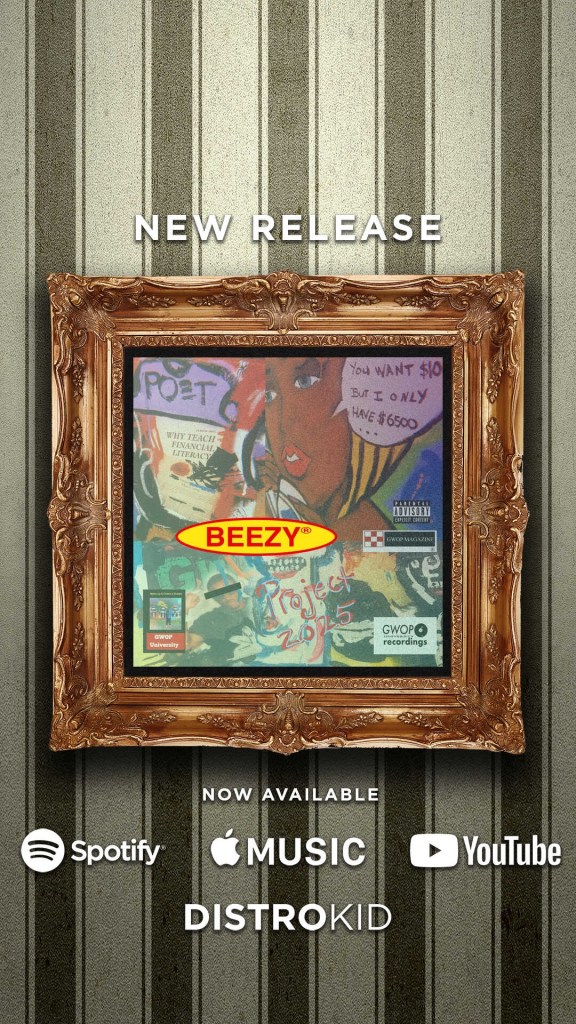
Checkout my latest music project: BEEZY “Project 2025: Rap Poetry”
https://distrokid.com/hyperfollow/beezy20/project-2025-rap-poetry
Bell Notes: 🛎️ 📝
Bell Notes 🛎️ 📝

Bell Notes: AI shows increase in Human Natural Stupidity
How Artificial Intelligence Has Enhanced Human Natural Stupidity
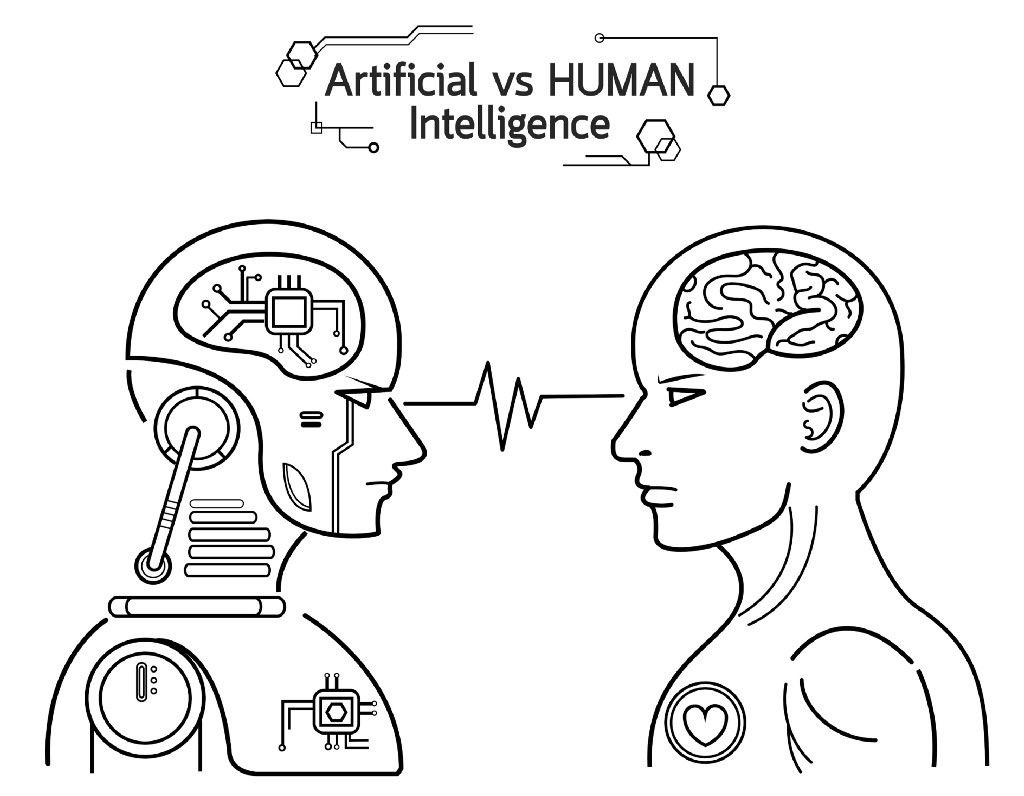
The rise of artificial intelligence (AI) has been nothing short of revolutionary. From self-driving cars to chatbots, AI is reshaping how we live, work, and communicate. But along the way, it has also amplified something humanity has always been good at—our natural stupidity. Ironically, in the pursuit of making us smarter and more efficient , AI has unintentionally fueled some of our worst tendencies. Let’s explore how.
1. Outsourcing Thinking to Machines
Remember when people had to actually think to solve problems? With AI tools like ChatGPT, Grok, search engines, and automated assistants, critical thinking has taken a backseat. Need to write an email? Ask AI. Can’t solve a simple math problem? Use a calculator. Directions? Google Maps has your back.
The more we let AI do the thinking, the less we seem to use our brains. Over time, this reliance risks creating a generation that can Google anything but understand nothing.
2. The Rise of “AI as Authority” Syndrome
AI isn’t perfect, but many people treat it like the ultimate authority. If the algorithm says it, it must be true, right? This blind faith has led to everything from poorly informed decisions to bizarre behavior.
Take, for example, people who rely on AI-generated travel directions—only to end up stranded in the middle of nowhere because they didn’t think to question the route. Or companies using AI to screen job applicants, rejecting qualified candidates because “the algorithm” said no.
Trust is good; blind trust is stupidity in disguise.
3. Deepfake Drama and Fake News Frenzies
AI has made it easier than ever to create convincing deepfakes and spread misinformation at lightning speed. What happens when you pair powerful technology with a public that doesn’t fact-check? Chaos.
Deepfake videos, AI-generated news articles, and manipulated images have duped millions, fueling conspiracy theories and misinformation. Instead of fostering understanding, AI has supercharged our natural gullibility.
4. The Illusion of Expertise
AI tools like Photoshop and ChatGPT make anyone feel like an expert in everything—graphic design, writing, coding, you name it. While these tools democratize creativity, they also lead to overconfidence. People are publishing half-baked ideas and poorly informed opinions, all with AI polish.
Just because AI makes it look good doesn’t mean it is good. But try explaining that to someone who thinks their AI-edited selfie makes them a professional photographer.
5. Screen Addiction 2.0
AI’s ability to curate content based on our preferences has turned social media and entertainment platforms into addictive rabbit holes. Endless scrolling, binge-watching, and doomscrolling are the new norms, thanks to AI-driven algorithms that cater to our laziest instincts.
While AI personalizes content to keep us engaged, it’s also shrinking our attention spans and fueling procrastination. Humanity: 0. AI: 1.
6. Overengineering the Simple Things
Not everything needs AI, but that hasn’t stopped us. Smart fridges, AI-powered toothbrushes, and voice-activated light switches are now a thing. Do we really need an app to tell us when we’re out of milk?
By overengineering the mundane, we’re losing touch with the joy of simple tasks. Plus, when these devices inevitably fail, we’re left helpless, staring at a fridge that won’t open because it needs a software update.
7. The Great Job Replacement Panic
AI has sparked widespread fear about job automation, but instead of focusing on how to adapt and upskill, many have chosen to panic and complain. Ironically, this fear often distracts people from the opportunities AI creates.
By focusing on doom-and-gloom predictions, we’re ignoring the chance to work alongside AI and do things better, faster, and smarter. Instead, we’d rather bemoan our impending robot overlords.
So, What’s the Solution?
AI isn’t going anywhere, and neither is human stupidity. But we can strike a balance. Instead of outsourcing our brains to machines, let’s use AI as a tool to complement our thinking—not replace it. Let’s stay curious, question what we see, and remember that with great power comes great responsibility (thanks, Uncle Ben).
AI can make us smarter, faster, and more creative—but only if we don’t let it enhance our natural stupidity in the process. Let’s be the generation that uses AI wisely, not the one that proves the machines were right about us all along.
Bell Notes: The Solitude Solution
The Solitude Solution: How Being Alone Can Unlock Your Artistic Potential
In a world where connection is currency and distraction is ever-present, solitude is often misunderstood. To many, being alone evokes loneliness or isolation, but to artists, solitude can be a crucible—a necessary space to refine, strengthen, and evolve their craft. The act of creating art demands time, focus, and introspection, all of which thrive in solitude.
As someone who has spent countless hours navigating the realms of creativity, I can attest to this truth: being alone is not just a state of being but a catalyst for transformation. Here’s how solitude can enhance your artistry and propel your creative growth.
1. Solitude Provides the Time to Practice Deliberately
Artistic mastery is built on practice—not mere repetition, but intentional, focused practice. When you’re alone, you have the freedom to dive deeply into your craft, free from external judgment or distraction. Alone, there is no need to justify your time, explain your methods, or compromise your process to accommodate others.
The solitude of the studio, the writer’s desk, or the practice room allows you to experiment boldly and fail often. These failures, when experienced privately, become lessons rather than public defeats. Over time, these moments of quiet effort accumulate into something extraordinary.
Harvard psychologist Anders Ericsson coined the term “deliberate practice” to describe the focused, purposeful effort required to achieve expertise. Being alone allows you to enter this state of deliberate practice, where you can push your boundaries, analyze your weaknesses, and build new strengths. In solitude, every brushstroke, note, or line of prose becomes a step toward mastery.
2. Solitude Nurtures Introspection and Self-Discovery
Art, at its core, is an expression of the self. To create authentically, you must understand your emotions, experiences, and perspectives. Solitude is the ideal environment for this kind of introspection.
When you are alone, you can confront your inner world without distraction. These moments of self-reflection often lead to the discovery of new ideas, themes, and styles. You begin to ask the essential questions: What do I want to say? What moves me? What do I fear?
Virginia Woolf, a pioneer in modernist literature, famously wrote about the necessity of “a room of one’s own.” While her call for solitude stemmed from a broader argument about women’s access to creative opportunities, her insight applies universally. A quiet space, both literal and metaphorical, allows you to hear your inner voice—a voice often drowned out by the noise of daily life.
3. Solitude Creates a Lab for Experimentation
Art thrives in experimentation. Solitude grants you the freedom to try new techniques, styles, or approaches without fear of judgment. The absence of an audience liberates you to take creative risks, to make mistakes, and to learn from them.
Think of solitude as a laboratory. In this space, you are the scientist, testing hypotheses and observing results. Maybe you combine unexpected colors on a canvas, try a new poetic form, or blend musical genres. Alone, there is no pressure to conform, only the joy of discovery.
Consider the work of Vincent van Gogh. In his letters, he often described the solitude of his artistic process. Though plagued by personal struggles, he used his time alone to refine his craft, producing hundreds of works that would later revolutionize modern art. His story reminds us that solitude, while challenging, is often the birthplace of innovation.
4. Solitude Cultivates Discipline and Focus
Distraction is the enemy of creativity. Social media, emails, and endless notifications fragment our attention, making it nearly impossible to enter the flow state where great work happens. Solitude removes these distractions, creating a mental environment where you can focus fully on your art.
When you are alone, you learn to rely on your own discipline. There is no one to prod you into action or hold you accountable, which forces you to develop intrinsic motivation. Over time, this self-discipline becomes a skill as valuable as your artistic talent.
The acclaimed pianist Glenn Gould famously chose solitude, even withdrawing from public performances to focus solely on his recordings. His choice to isolate himself allowed him to channel his energy entirely into his craft, producing some of the most celebrated interpretations of classical music.
5. Solitude Connects You to the Larger Creative Tradition
Paradoxically, being alone can make you feel more connected—not to people, but to the artistic lineage you’re a part of. When you work in solitude, you can engage deeply with the works of those who came before you.
Read the journals of Frida Kahlo, study the compositions of Bach, or analyze the novels of James Baldwin. In solitude, you’re free to absorb their wisdom, allowing their influence to shape and inspire your own work. This connection to a broader creative tradition can provide a sense of purpose and belonging, even in your most solitary moments.
The Takeaway: Embrace the Gift of Solitude
Being alone isn’t always easy. It requires you to confront yourself, to grapple with your fears and insecurities. But within this solitude lies an extraordinary opportunity: the chance to grow as an artist and as a person.
The next time you find yourself alone, don’t fill the silence with distractions. Instead, embrace it. Pick up your brush, your pen, your instrument. Dive into the stillness and see where it takes you.
In the words of Rainer Maria Rilke, “Solitude is a place of purification.” When you embrace solitude, you don’t just create art—you transform yourself into the kind of artist you’ve always aspired to be.
Thanks for reading
Bell Notes 🛎️ 📝
Bell Notes

Bell Notes

Bell Notes
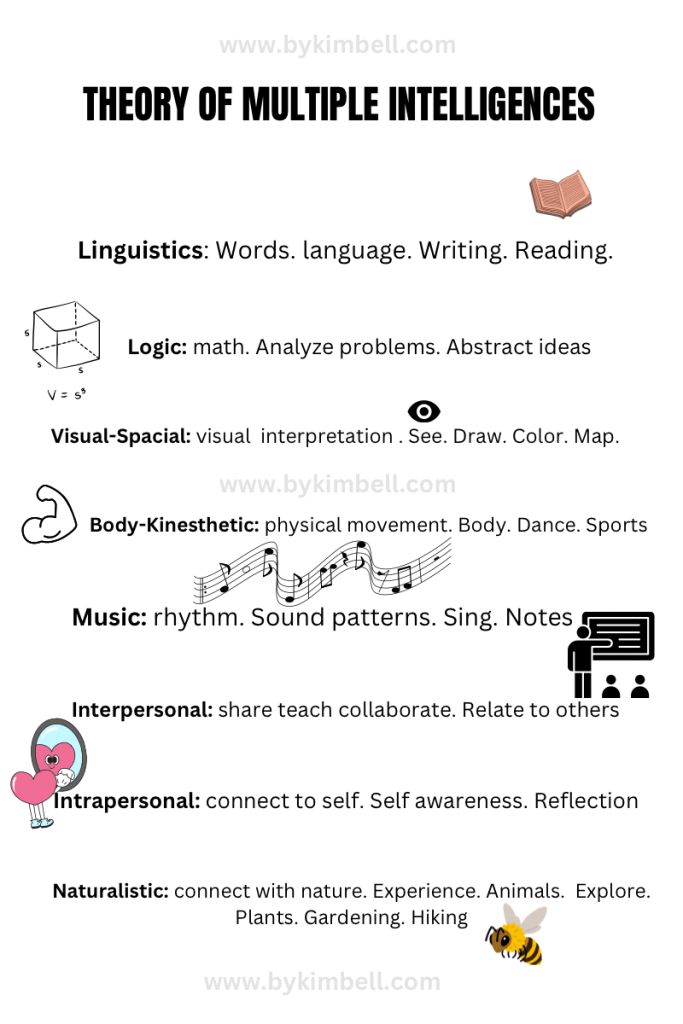
7 Types of Intelligences Study –
Bell Notes – 2024 Daily routine
Morning Routine:
- 7:00 AM: Wake up, meditate while jogging, cardio , gardening (30 minutes).
- 7:30 AM: Stretching and flexibility exercises (30 minutes).
- 8:00 AM: Breakfast : Organic Juice, smoothie or Fruit only + feed the dogs
Midday Activities:
- 9:00 AM: Creative work (drawing, writing scripts, journal, blogging) for 2 hours.
- 11:00 AM: Martial arts training (1 hour) ex: boxing, Muay Thai, judo, karate
- 12:00 PM: Lunch and relaxation.
Afternoon Schedule:
- 1:00 PM: Continue creative projects (2 hours) study new languages: French, Japanese, German, Italian, Latin, music, herbalism, culinary arts, horticulture
- 3:00 PM: Physical training (push ups, jump rope, weights ) for 1.5 hours.
- 4:30 PM: MIT, Harvard, Yale lectures online (1 hour) study Finance, marketing, value propositions + game theory
Evening Routine:
- 5:30 PM: Dinner + cook + eat + feed the dogs
- 7:30 PM: Evening creative brainstorming or record music.
- 9:00 PM: Wind down with reading or philosophy discussions before bed. Watch anime shows or documentaries
BELL Notes 📝
The Impact of Rap Music on My English Language Learning
Growing up in the 1980s, my introduction to the English language was anything but conventional. While many kids learned their ABCs through nursery rhymes or storybooks, my formative years were deeply influenced by the vibrant, emerging genre of rap music. This unexpected source became a powerful tool that not only enhanced my language skills but also shaped my understanding of culture, identity, and expression.
The Rhythm of Language
From the first time I heard the rhythmic beats and clever wordplay of artists like Run-D.M.C., LL Cool J, and the Fat Boys I was captivated. The infectious energy of rap music turned language into a dynamic experience. Unlike traditional educational methods, rap encouraged me to explore vocabulary through rhythm and rhyme. Phrases were delivered in a way that made them memorable, transforming complex ideas into digestible snippets. I found myself replaying songs, not just for the beats but to dissect the lyrics, trying to understand the meanings behind the words and curious to how they came up with these poetic lines.
The use of alliteration, internal rhyme, and metaphor in rap lyrics opened up a new world of linguistic creativity. For instance, the clever wordplay found in LL Cool J’s verses introduced me to concepts of similes and metaphors long before I encountered them in a classroom setting. I began to see language as a living, breathing entity that could be molded and shaped to convey a wide array of emotions and stories.
Expanding Vocabulary Through Context
As I immersed myself in rap, my vocabulary expanded exponentially. Songs often featured slang and colloquialisms that were integral to understanding the culture they emerged from. Artists like Public Enemy and N.W.A. tackled social issues, using language that was both direct and evocative. I was introduced to terms and phrases that reflected real-life experiences, far removed from the sanitized versions typically found in school textbooks. This exposure not only broadened my vocabulary but also provided context, helping me understand the nuances of the language in a way that formal education did not.
Cultural Connection and Identity
Rap music was more than just a genre; it was a cultural movement that resonated with the social and political climate of the time. Listening to artists share their experiences gave me a sense of connection and understanding of the world around me. The themes of struggle, resilience, and community woven into the lyrics mirrored the realities many faced, including my own family’s experiences. This cultural lens enriched my understanding of language, as I learned to appreciate the emotional weight behind the words.
Furthermore, rap’s emphasis on storytelling taught me the importance of narrative in language. I began to experiment with my own writing, attempting to capture my thoughts and experiences in a similar fashion. The practice of writing lyrics, even if just for fun, allowed me to play with language, encouraging creativity and self-expression.
Conclusion
Reflecting on my childhood, it’s clear that rap music was a pivotal force in my journey to mastering the English language. Through its rhythms, rich vocabulary, and cultural narratives, rap not only enhanced my linguistic skills but also shaped my identity and worldview. It taught me that language is not just a tool for communication; it is a powerful means of expression, connection, and understanding. As I continue to appreciate the art form today, I recognize that my love for language began with the beats and rhymes of rap music, forever leaving a poetic mark on my life.
Checkout GWOP University Radio for new music every week by BEEZY & friends:
https://zeno.fm/radio/gwop-university-radio/
Bell Notes
The Harmonious Voices of Beezy: An Exploration of Art, Identity, and Mental Landscapes
In the realm of contemporary art and music, few narratives are as compelling as that of Kim “Beezy” Bell. A multifaceted artist whose creative journey began at the tender age of two, Bell’s experiences with auditory phenomena offer a unique lens through which we can explore the intersection of mental health and artistic expression. This exploration not only enriches our over standing of the creative process but also challenges conventional notions of sanity, inspiration, and the artist’s role in society.
Early Encounters with Sound
From the very outset of his life, Kim Bell’s existence was marked by an extraordinary inner world. At two years old, he began hearing voices—whispers of creativity urging him to express himself through music and visual art. This phenomenon, often dismissed or pathologized in mainstream discourse, can be reinterpreted as a profound source of inspiration. In many cultures, the act of hearing voices has been associated with divine communication or heightened sensitivity to the world around us. For Bell, these voices became catalysts for a burgeoning artistic identity, shaping his understanding of self and the world.
The Dichotomy of Madness and Genius
The relationship between mental health and artistic genius has long fascinated scholars and critics alike. The notion that creative individuals may be more prone to psychological distress has been explored in various studies. Bell’s experience invites us to question the binary classifications of “madness” and “genius.” Rather than viewing his auditory experiences as mere symptoms of a disorder, we might consider them as integral components of his artistic toolkit. They have informed his unique soundscapes and visual motifs, contributing to a body of work that resonates deeply with audiences.
Crafting a Unique Sound
As Bell grew older, he began to harness these voices, transforming them into a distinct artistic language. His music, characterized by an eclectic blend of genres, mirrors the complexity of his inner dialogues. Each composition is imbued with the nuances of his experiences—joy, pain, confusion, and clarity. Bell’s approach challenges the conventional narrative that artists must suffer to create. Instead, he offers a perspective that acknowledges struggle while celebrating resilience and innovation.
Art as a Means of Dialogue
Bell’s art serves as a bridge between his internal experiences and the external world. Through vibrant visuals and evocative melodies, he creates a dialogue not only with himself but also with his audience. His work invites viewers and listeners to confront their own perceptions of sanity and creativity. By publicly sharing his journey, Bell destigmatizes the discourse surrounding mental health, encouraging a broader understanding of the myriad ways individuals navigate their inner worlds.
Conclusion: The Future of Art and Mental Health
Kim “Beezy” Bell exemplifies the profound connection between artistic expression and mental health. His journey reminds us that the voices we hear—literal or metaphorical—can guide us toward self-discovery and creativity. As we continue to explore the complexities of the human experience, Bell’s work challenges us to embrace the multifaceted nature of identity and expression. In doing so, we not only celebrate individual artistry but also cultivate a more compassionate and nuanced understanding of mental health in the contemporary landscape.
As we reflect on Bell’s narrative, we must recognize that the intersection of creativity and mental health is not merely a subject for academic inquiry but a vital aspect of our shared humanity. In embracing this complexity, we honor the voices that shape our lives and the art that emerges from them.
Listen to Bells top 8 songs at GWOP University Radio 24/7 online now: https://zeno.fm/radio/gwop-university-radio/
Bell Notes
Bell Notes 📝

Bell Notes

Bell Notes

Finding My Rhythm: A digital Odyssey Through Uncharted Territory
Starting my music career was like stepping into a vast, uncharted ocean. With nothing but a dollar, a dream and a few melodies, I took my first plunge into the world of music production around 2016 when I released BEEZY “Put In My Pocket” EP . I was eager to share my work with those closest to me, hoping for a wave of support and encouragement. However, the response was anything but what I had anticipated. My research data results show that humans are trained to worship popular celebrities manufactured by mainstream media machines.
Instead of the cheering crowd I had envisioned, I was met with silence. Friends and family, who I had thought would be my biggest supporters, seemed distant and indifferent. They rather listen to mainstream music which celebrates consumerism, hyper sex activity, drug addiction and scamming. It was disheartening to realize that those I had hoped would rally behind me were not as engaged as I had imagined. I made a conscious effort to make my music content different than the average musician of this era. My songs topics include Non fungible tokens, dopamine, health, nutrition, fine Art, hip hop, tv sitcoms , sports I loved as a kid, cartoons and more.
Initially, this lack of support felt like a personal setback. I questioned whether I was on the right path, doubting the value of my music. But amid the uncertainty, I discovered a crucial lesson: the value of my work wasn’t dependent on the validation from those around me. All of my music is a success upon completion.
I learned to find motivation within myself and to seek out communities and individuals who shared my passion. The journey taught me that genuine support often comes from unexpected places, and that perseverance is key. While it was difficult at first, the experience ultimately strengthened my resolve and deepened my appreciation for the music journey itself.
Today, as I continue to release music every month at GWOP University Recordings and grow as an artist, I carry with me the resilience forged in those early days. It’s a reminder that sometimes, the greatest support comes from within, and that the path to success is often paved by those who refuse to give up, regardless of the applause or lack thereof.
Checkout BEEZY new music on all platforms
GWOP University Recordings 2024 ©️

Bell Notes
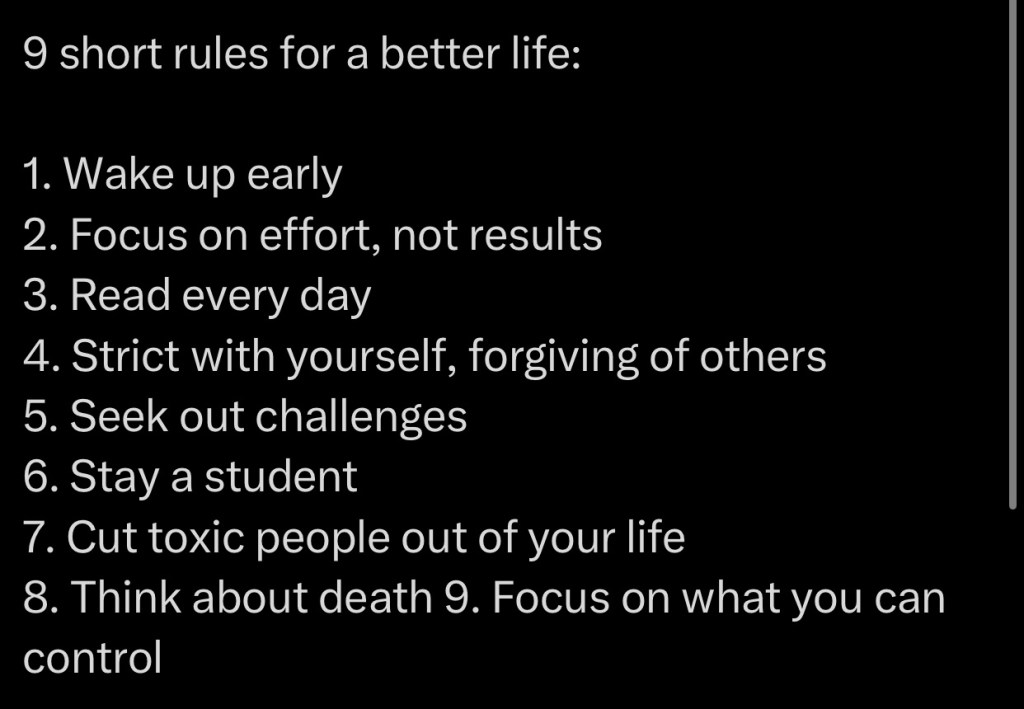

Do What Interest You the Most

Rules of a Scientist Life

Unraveling the Viral Web: Gathering Data on Social Media Phenomena

In the ever-evolving landscape of social media, the phenomenon of a post going viral is a captivating spectacle that captivates users and researchers alike. As information disseminates rapidly across online platforms, gathering data on the aftermath of a viral post becomes crucial for understanding the dynamics, impact, and potential implications for individuals and society.
To embark on the journey of data collection, one must first consider the platforms where virality occurs. Social media giants like Facebook, Twitter, Instagram, and TikTok serve as breeding grounds for viral content. Each platform has its unique characteristics, audience demographics, and algorithms, influencing the trajectory of a post’s virality. GWOP Magazine has been going viral weekly on Instagram since I applied the strategy I wrote out at: www.gwopmagazine.com. Here are insights to the reels below:
Continue reading “Unraveling the Viral Web: Gathering Data on Social Media Phenomena”The Insane Power of Self Discipline

In a world filled with distractions and instant gratification, the true game-changer is an often-overlooked quality: self-discipline. It’s the secret sauce that propels ordinary individuals to extraordinary heights. Let’s dive into the transformative power of self-discipline and how it can revolutionize your life.
Continue reading “The Insane Power of Self Discipline”Unleashing the Power of the Internet: A Social Experiment on Creating a Viral Song with a No Face Account

Introduction:
In a world driven by social media, the quest for viral fame has become an obsession for many. The allure of capturing the attention of millions, having your voice heard around the globe, and experiencing overnight success has given rise to numerous experiments aimed at cracking the code of virality. Today, we embark on an exciting journey to conduct a unique social experiment—one that seeks to uncover the secret formula behind creating a viral song.
Continue reading “Unleashing the Power of the Internet: A Social Experiment on Creating a Viral Song with a No Face Account”How to be Successful
Success is something that everyone desires, but only a few manage to achieve. It is a subjective term, and it means different things to different people. For some, success may mean achieving financial stability, while for others, it may be about finding happiness and fulfillment in life. However, no matter how you define success, there are certain steps that you can take to increase your chances of achieving it. I define success as setting an achievable goal and working towards it consistently. In this blog, I will discuss 15 steps that can help you be successful in whatever you do.
Continue reading “How to be Successful”Bored Ape GWOP Club NFT Gallery

Unlimited Imagination NFT Gallery

META Rothko NFT Chapel
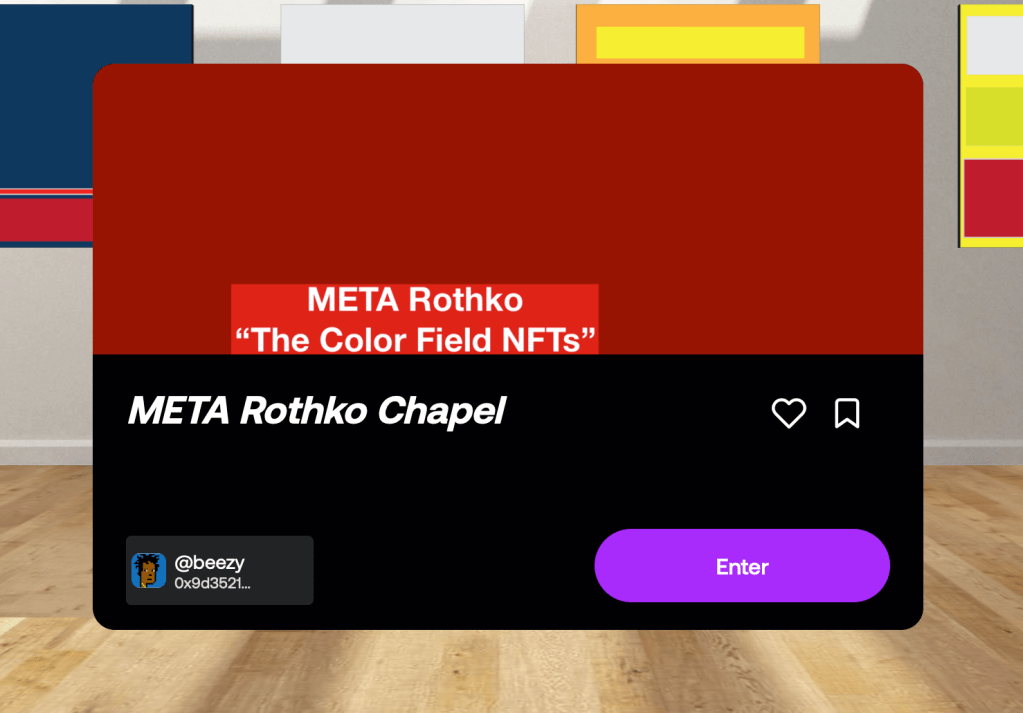
META Rothko lives on the polygon and ethereum blockchain: https://oncyber.io/rothko
“Silence is so accurate” –Rothko
META Digital NFT Trap House Gallery

IDEA: Transform dilapidated homes, schools and buildings into physical Art Museums across the world.
META Trap House Digital Gallery: https://oncyber.io/beezy
META Digital NFT Art Gallery #2

META Digital Art Gallery #2: https://oncyber.io/bzy
META Digital NFT Art Gallery

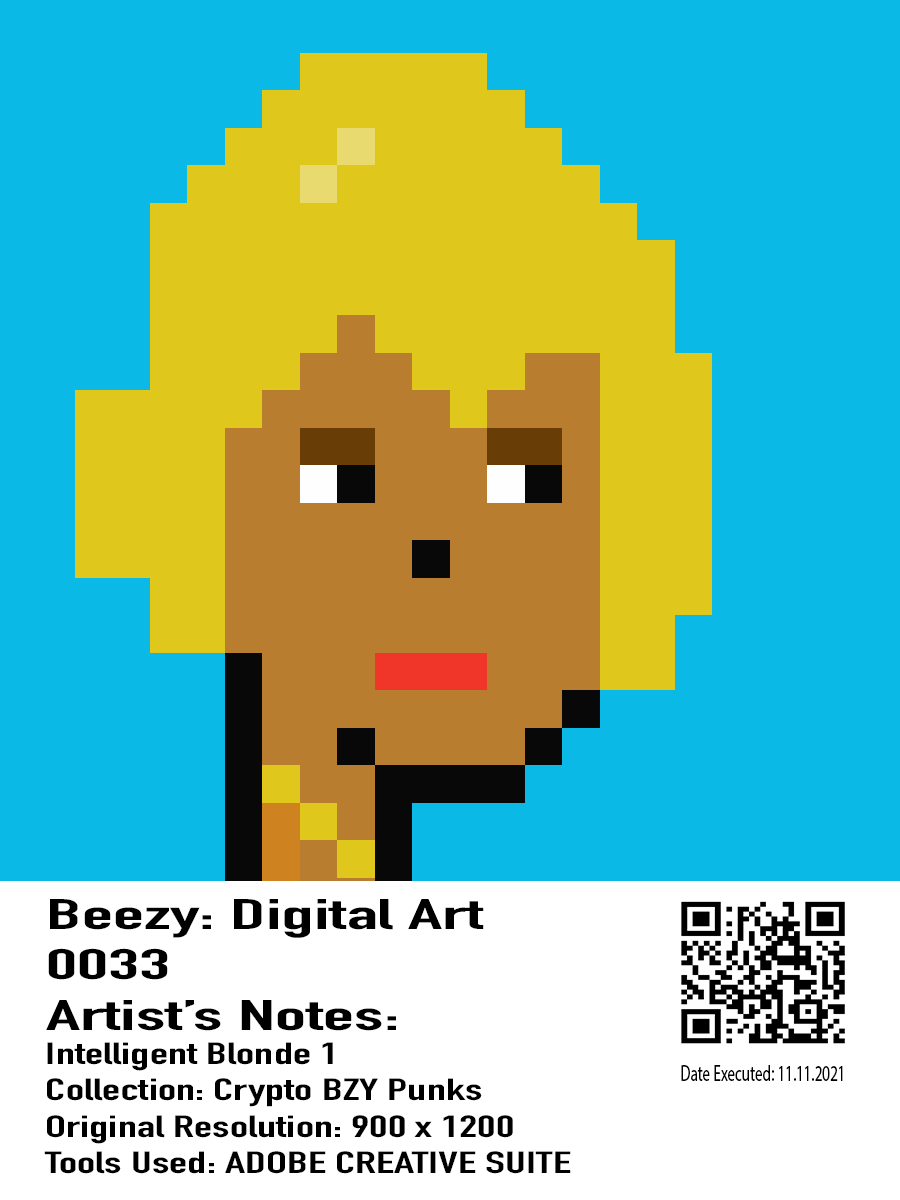
Crypto BZY Punks Collection

Rare unique Digital Non fungible tokens available living on the ethereum/ polygon on blockchain (ETH/ MATIC). Smart contracts and special links will be unlocked with purchase. created by Kim Bell digital Art Gallery studio.


H is for Happy Healthy Habits: ABCs of Nutrition

“When I Grow Up” Available Now on Amazon

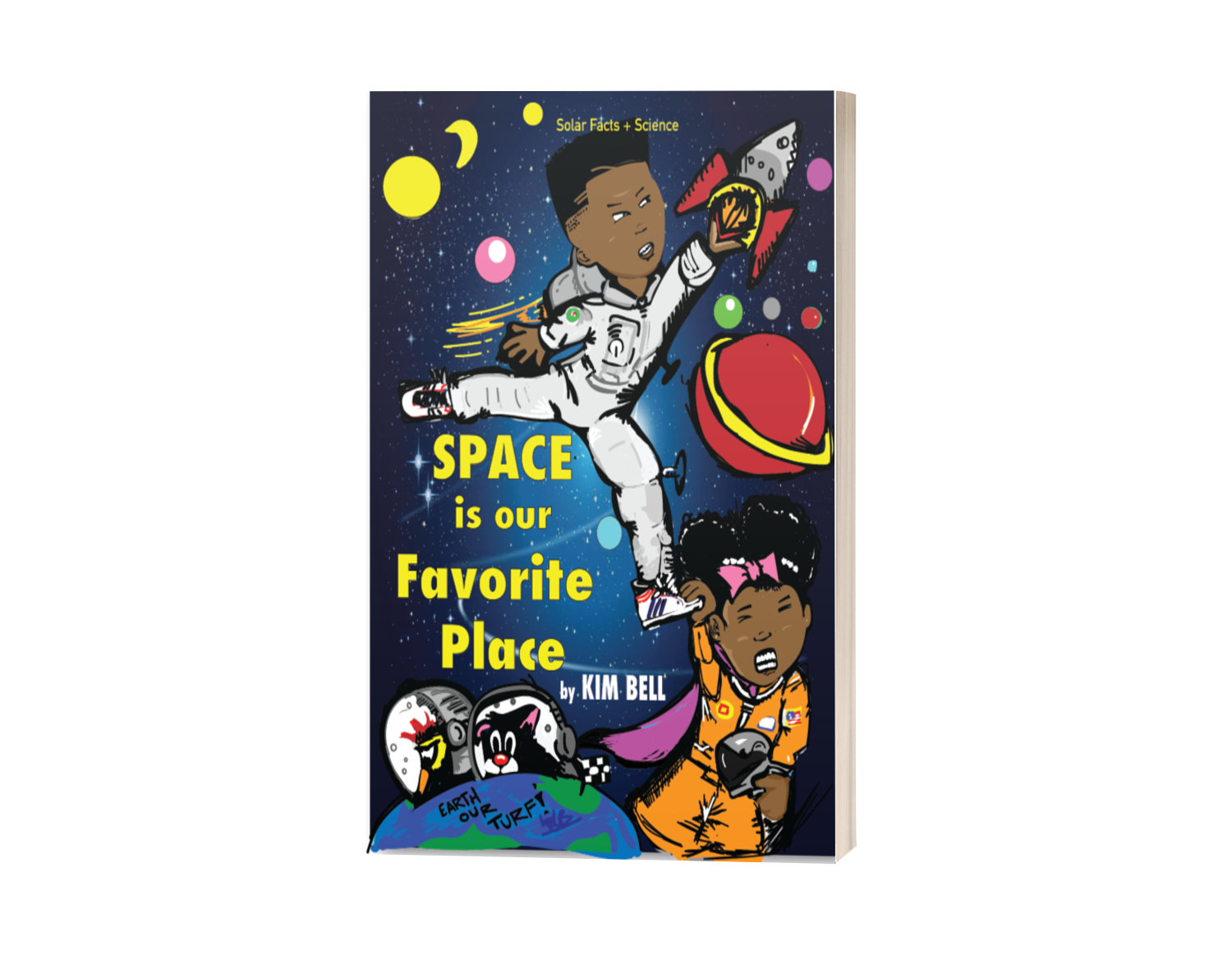
“Space Is Our Favorite Place” available Now on Amazon
I Said, “Invest” [book trailer]
Wise Old Owl (e-book + paperback)

I Said “Invest” (paperback)

“The Fish In The Dish ” paperback + eBook available on Amazon
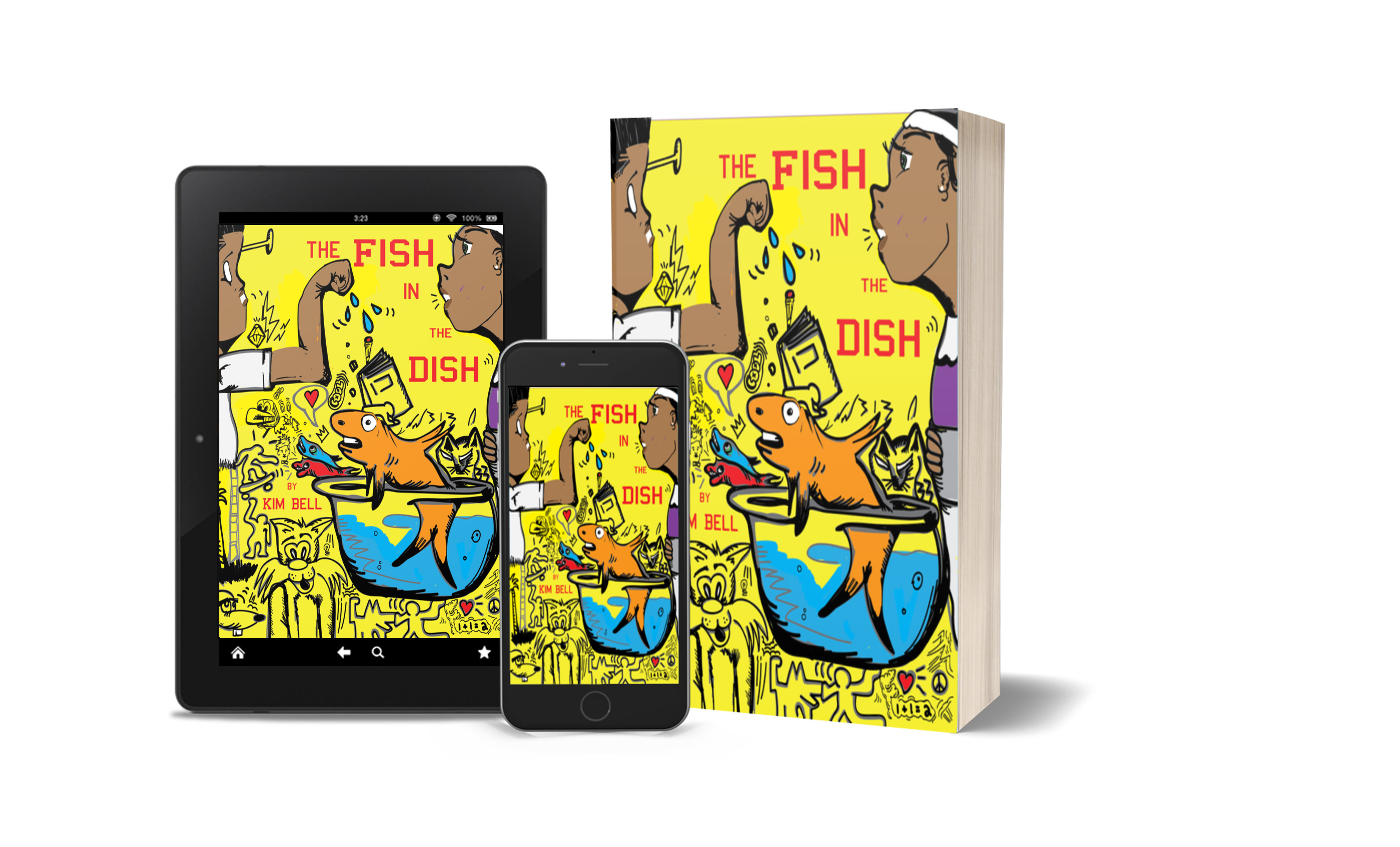
Unlimited Imagination Publishing © 2019
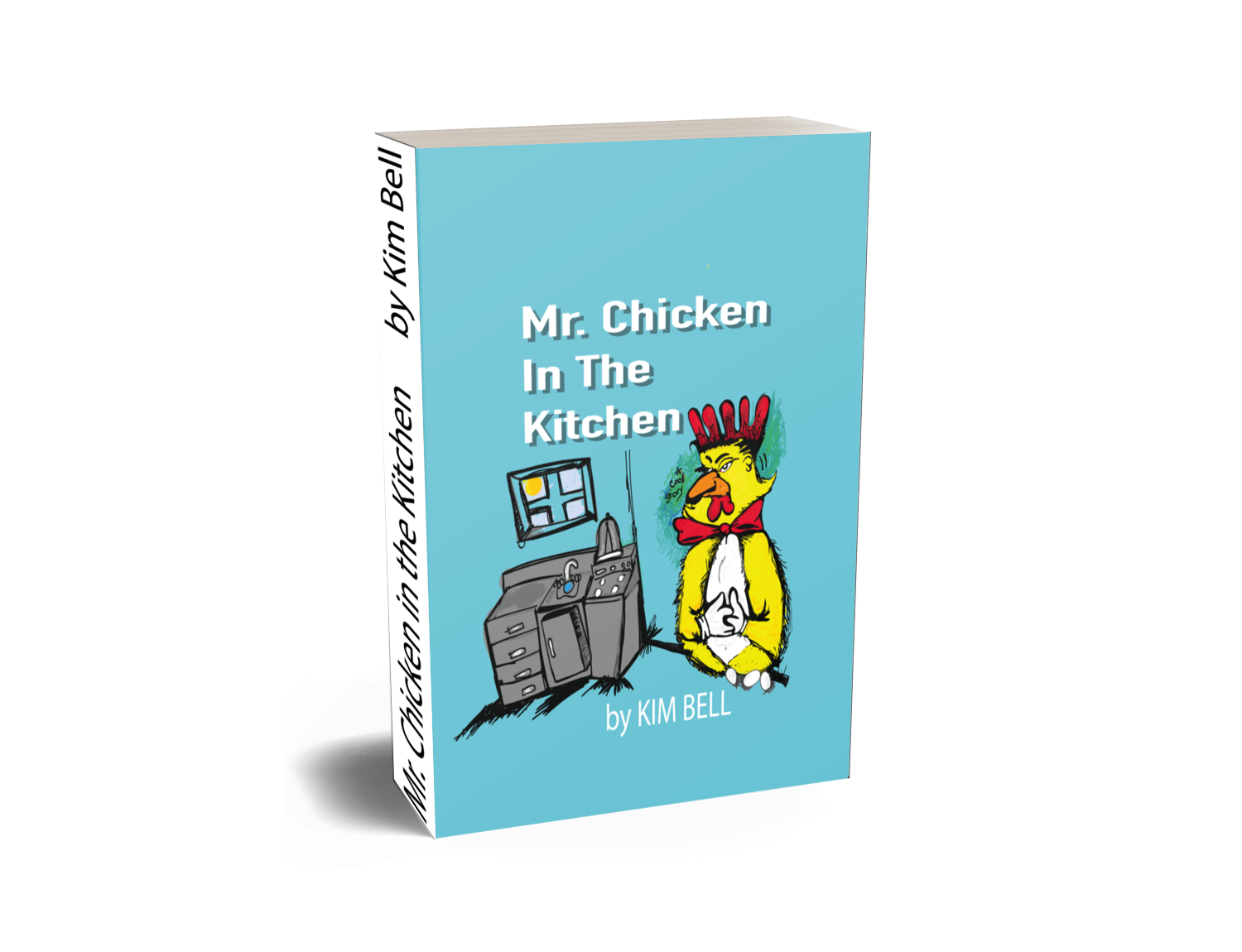
“Mr. Chicken In The Kitchen” (a children’s story) written & illustrated by Kim Bell

Kim Bell experimented with various painting techniques and struggled to find a solid interpretation of his artistic vision. One day he collected steering wheels from the junk yard in Detroit, MI and decided to paint one wheel all black and mount it on wood as a form of assemblage artistic expression. The all black steering wheel from a junk yard of Detroit represents the wheel of life, there is no way to reinvent the wheel, the wheel controls our direction and without direction we will never reach our destination in this journey we call Life. Therefore the conversation in this circle revolves around “Staying in Your Lane”. Everyone is a genius but if we judge a fish by its ability to climb a tree he will grow up his whole life believing he is stupid. Kim Bell’s art encourages everyone to find a lane to pursue and stick to it. Stay Focused. Life is a Marathon!
Thanks for reading.



PEACE
Positive
Energy
Always
Creates
Elevation

