

In the ever-evolving landscape of social media, the phenomenon of a post going viral is a captivating spectacle that captivates users and researchers alike. As information disseminates rapidly across online platforms, gathering data on the aftermath of a viral post becomes crucial for understanding the dynamics, impact, and potential implications for individuals and society.
To embark on the journey of data collection, one must first consider the platforms where virality occurs. Social media giants like Facebook, Twitter, Instagram, and TikTok serve as breeding grounds for viral content. Each platform has its unique characteristics, audience demographics, and algorithms, influencing the trajectory of a post’s virality. GWOP Magazine has been going viral weekly on Instagram since I applied the strategy I wrote out at: www.gwopmagazine.com. Here are insights to the reels below:
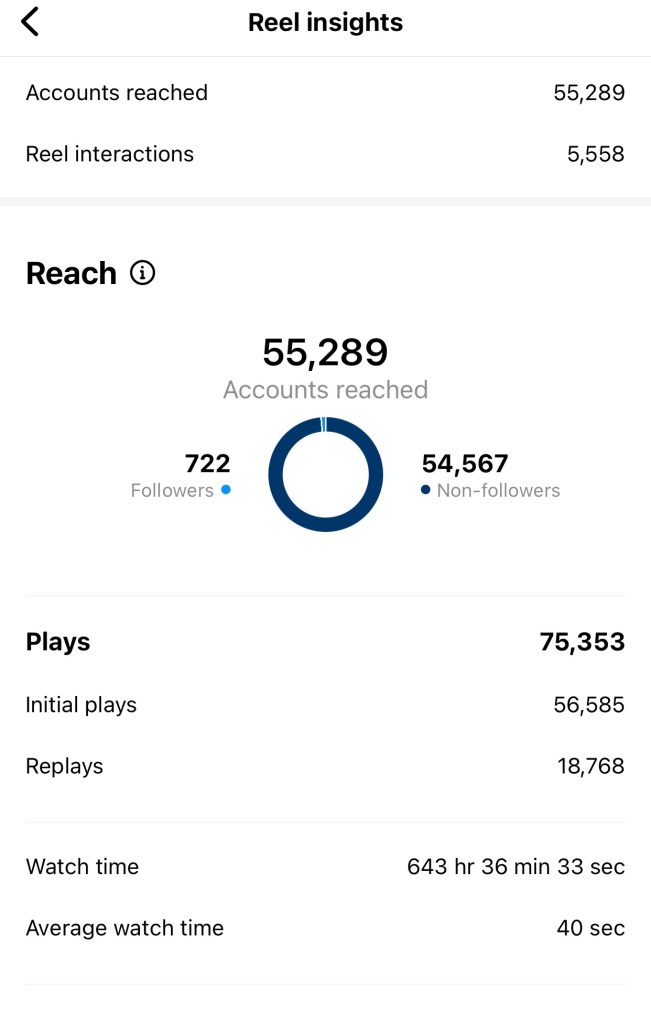
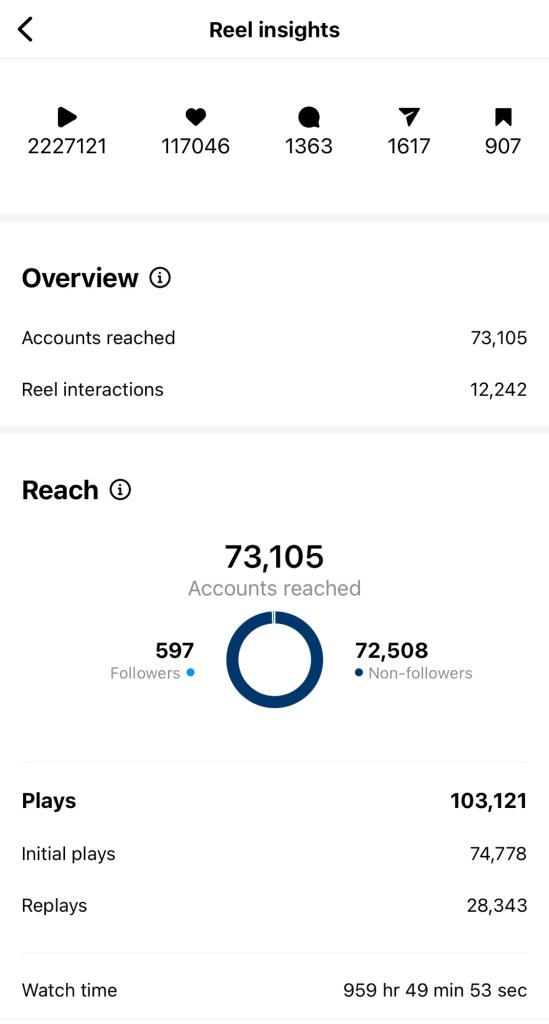

We reach up to 100k people with a reel videos @GWOPMagazine on IG + Facebook (META). The local news station in my area only reaches 75k households therefore GWOP Magazine has a similar reach to a local news station by numbers with less advertising dollars and less employees.

Analyzing engagement metrics, such as likes, shares, comments, and impressions, provides quantitative insights into the reach and resonance of a viral post. This data allows researchers to gauge the extent of its impact and identify patternsm in user behavior, shedding light on the factors that contribute to virality.
Beyond quantitative metrics, sentiment analysis becomes a valuable tool in understanding the emotional response generated by a viral post. Mining comments and reactions helps decipher whether the post evokes positive, negative, or neutral sentiments, providing a nuanced perspective on its reception among users.
Moreover, tracking the ripple effect of a viral post across different social media platforms unveils the interconnected nature of the digital ecosystem. Observing how the content migrates and transforms as it traverses through various online communities helps researchers comprehend the cross-platform dynamics and the evolution of narratives.
In the era of big data, machine learning algorithms play a pivotal role in analyzing vast datasets generated by viral content. Natural Language Processing (NLP) algorithms can sift through textual data, identifying keywords, themes, and trends. This enables researchers to uncover the underlying narratives and cultural conversations sparked by a viral post.
However, the ethical dimensions of data collection in the aftermath of a viral post cannot be overlooked. Privacy concerns, consent, and responsible use of data should be integral parts of the research process. Striking a balance between extracting valuable insights and respecting user privacy is imperative for maintaining the integrity of social media research.
In conclusion, gathering data on social media after a post goes viral is a multifaceted endeavor that requires a comprehensive approach. By delving into quantitative metrics, sentiment analysis, cross-platform dynamics, and leveraging advanced technologies like machine learning, researchers can unravel the complexities surrounding viral content. Ethical considerations should guide this process, ensuring that the pursuit of knowledge aligns with the principles of privacy and responsible data usage in the digital age.
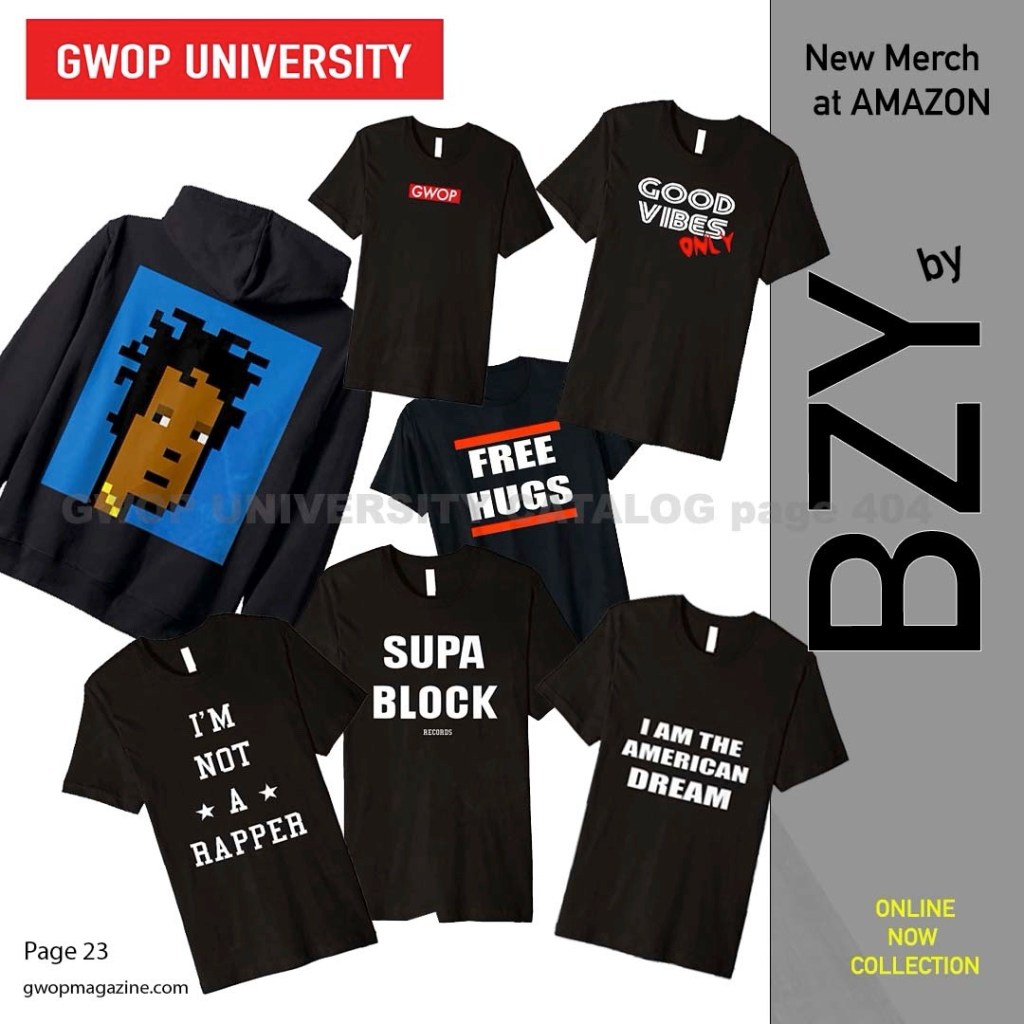
Discover our GWOP University merchandise at Amazon:
 KIM Bell : Digital Vision Art Gallery